Where Intelligence Meets Life
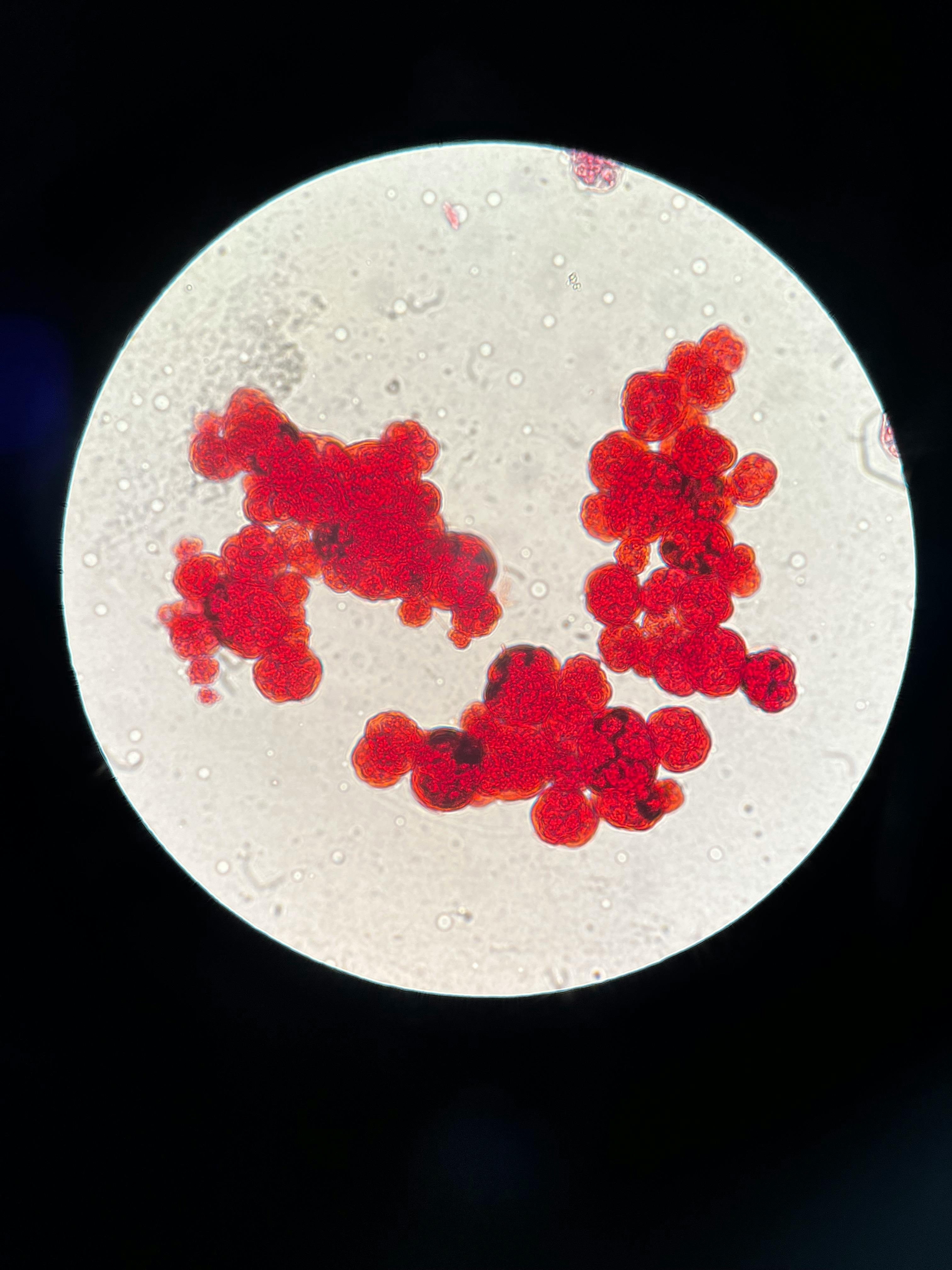
The world of biology is home to the most complex systems on planet Earth.
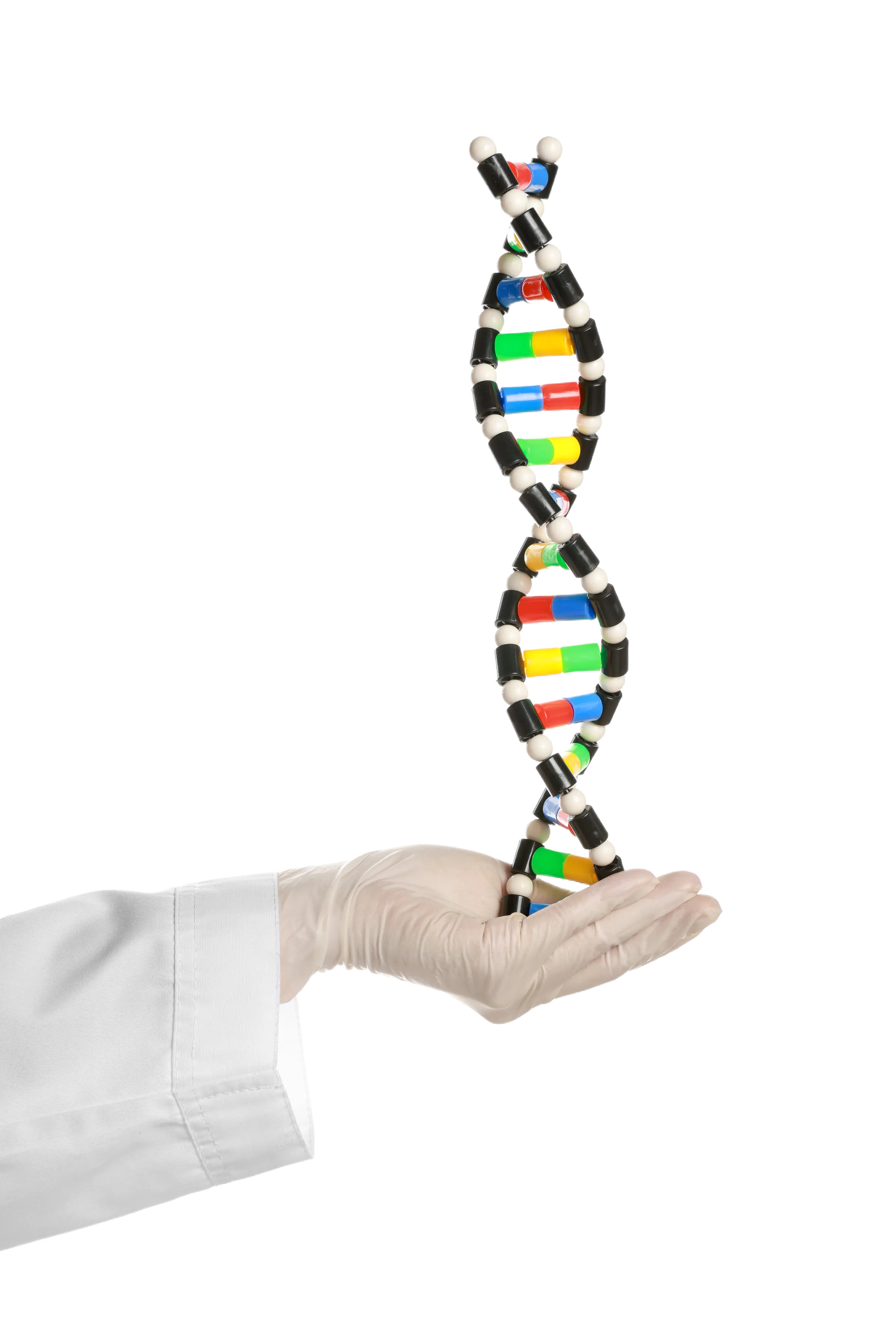
Reading and Writing the Genome
AI is transforming genomics: from observing life’s code to designing it.
Machine learning models can now analyse vast biological sequences, predict molecular behaviour, and help design gene editors with unprecedented precision.
These tools are accelerating discovery – from understanding genetic disease to engineering new biological functions – by treating DNA not just as data to read, but as a system that can be intelligently shaped.
Navigating the Molecular Landscape
At the molecular level, AI guides scientists through vast spaces of chemical and biological possibilities, highlighting the paths most likely to yield breakthroughs.
Models can predict protein structures, explore drug interactions, and identify promising compounds far faster than traditional methods of experimentation and study.
What once took years of experimental iteration can now begin with informed, AI-guided hypotheses, changing how biological research moves from question to breakthrough.
Beyond Silicon Intelligence
Some of the most radical ideas emerge
when AI meets living tissue.
Fields such as organoid intelligence explore how biological neural systems might be used for computation, learning, and adaptive problem-solving.
By combining living brain tissue with computational frameworks, researchers are beginning to imagine biologically-based information systems, which is raising new questions about intelligence, learning, and the future of computing itself.
Machines Inspired by Biology
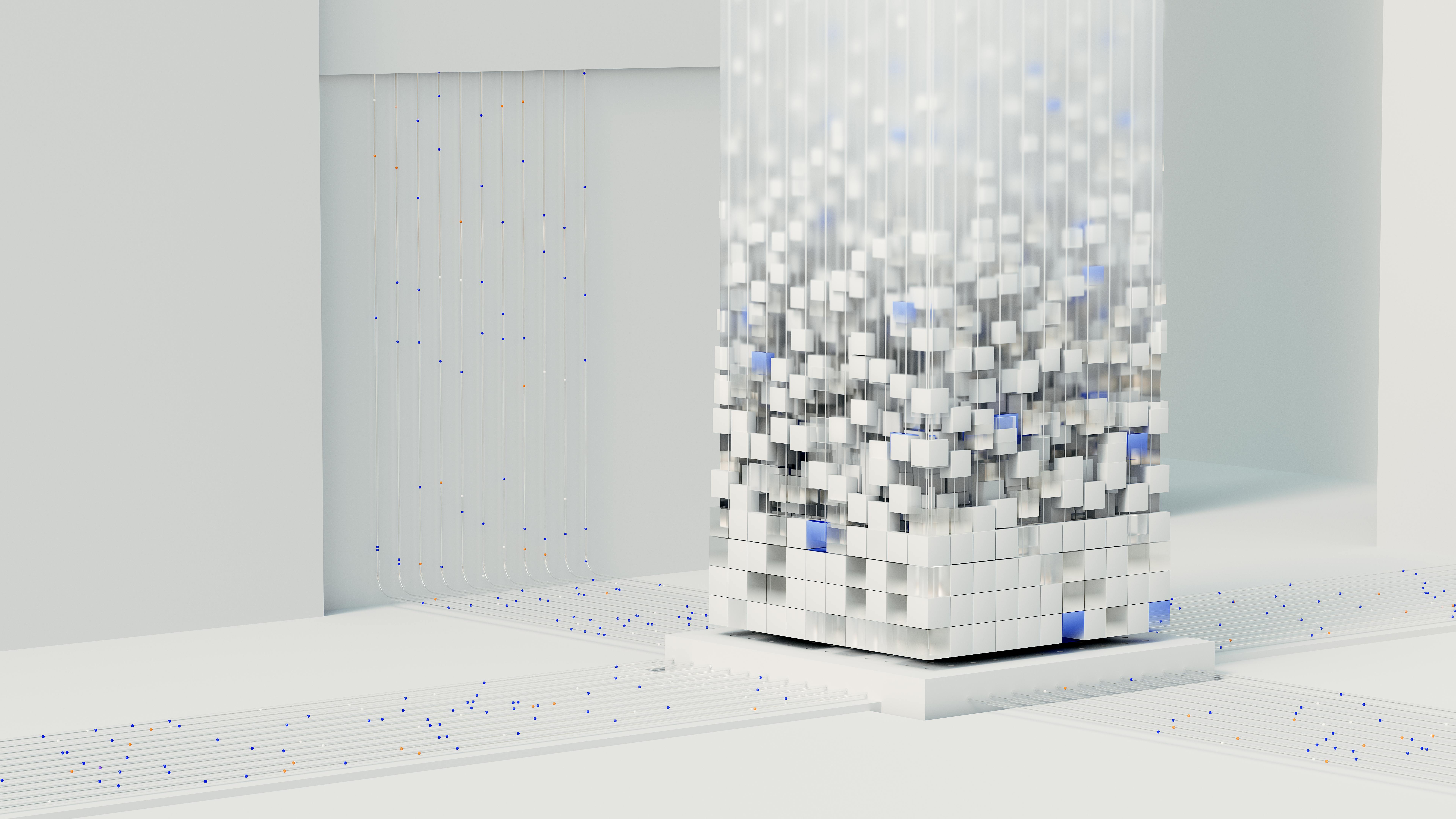
AI does not only help us to better understand biological systems; it learns from them.
Neural architectures, adaptive learning, and self-organising systems are inspired by biological processes refined through evolution.
This exchange is reshaping both fields: biology becomes more computational, and AI becomes more life-like – capable of perception, adaptation, and resilience in complex environments.
From Cells to Systems
The convergence of AI and biology is redefining what’s possible across medicine, health, and environmental science.
From personalised therapies to biohybrid technologies, these tools allow us to explore life at scales and speeds which have never before been achievable.
This is not science fiction, and it’s not technology that awaits us in the distant future. It is a new scientific frontier unfolding now, where data, intelligence, and living systems evolve together.